
Exploring India's Unique Rural Sports Heritage
- Cultural India
- Nov 25
- 4 min read

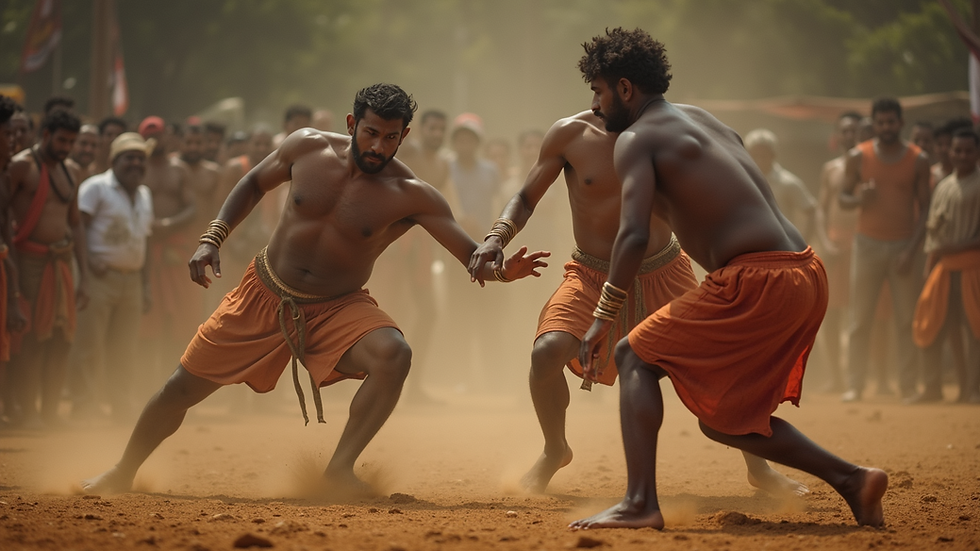
India is a land of diverse cultures and traditions, and its rural sports heritage is a reflection of this rich tapestry. While urban sports often dominate the headlines, the rural areas of India boast a variety of traditional games that have been passed down through generations. These sports not only provide entertainment but also serve as a means of community bonding, cultural expression, and physical fitness. In this blog post, we will explore some of the most unique rural sports in India, their significance, and how they contribute to the cultural identity of the regions they originate from.
The Importance of Rural Sports
Rural sports play a crucial role in preserving the cultural heritage of India. They are often tied to local customs, festivals, and rituals, making them an integral part of community life. Here are some key reasons why rural sports are important:
Cultural Preservation: Many rural sports have historical significance and are linked to the traditions of specific communities. They help in preserving local folklore and customs.
Community Engagement: These sports often involve the entire community, fostering a sense of belonging and unity among participants and spectators alike.
Physical Fitness: Engaging in traditional sports promotes physical health and well-being, especially in rural areas where access to modern fitness facilities may be limited.
Skill Development: Many rural sports require specific skills and techniques, providing opportunities for individuals to develop their talents and excel in their chosen sport.
Traditional Sports of India
Kabaddi
Kabaddi is perhaps one of the most well-known traditional sports in India, originating from the rural heartlands. It is a contact team sport that combines elements of tag and wrestling. The game involves two teams, with one team sending a "raider" into the opponent's half to tag as many players as possible before returning to their side.
Cultural Significance: Kabaddi is often played during festivals and local fairs, making it a vibrant part of community celebrations.
Physical Benefits: The sport enhances agility, strength, and teamwork, making it a great way to stay fit.
Kho-Kho
Kho-Kho is another traditional Indian sport that emphasizes speed and strategy. It is played by two teams, with one team chasing the other in a rectangular field. The objective is to tag opponents while avoiding being tagged.
Team Dynamics: Kho-Kho promotes teamwork and quick decision-making, as players must communicate effectively to outsmart their opponents.
Popularity: This sport is particularly popular in Maharashtra and is often played in schools and local tournaments.
Mallakhamb
Mallakhamb is a unique sport that combines gymnastics and yoga, performed on a vertical wooden pole or rope. Athletes perform various poses and acrobatic feats, showcasing their strength and flexibility.
Historical Roots: This sport has its origins in ancient India, where it was used as a training method for wrestlers.
Health Benefits: Mallakhamb enhances physical fitness, balance, and concentration, making it a holistic exercise form.
Gilli Danda
Gilli Danda is a traditional game similar to cricket, played with a small wooden stick (gilli) and a larger stick (danda). The objective is to hit the gilli with the danda and then run to a designated point before the opposing team retrieves the gilli.
Community Play: Gilli Danda is often played in open fields, bringing together children and adults alike for friendly competition.
Skill Development: The game helps improve hand-eye coordination and physical agility.
Bullock Cart Racing
In some rural areas, bullock cart racing is a popular sport that showcases the strength and speed of bullocks. Participants race their carts over a designated distance, often during local festivals.
Cultural Events: These races are often accompanied by music and festivities, making them a highlight of rural celebrations.
Animal Bonding: The sport fosters a strong bond between the farmer and their animals, emphasizing the importance of livestock in rural life.
The Revival of Rural Sports
In recent years, there has been a growing interest in reviving traditional rural sports. Organizations and local governments are working to promote these games through tournaments, workshops, and cultural festivals. This revival is essential for several reasons:
Economic Opportunities: Promoting rural sports can create economic opportunities for local communities through tourism and sponsorships.
Youth Engagement: Encouraging young people to participate in traditional sports can help instill a sense of pride in their cultural heritage.
Health Awareness: As awareness of health and fitness grows, traditional sports can offer alternative ways to stay active.
Challenges Faced by Rural Sports
Despite their significance, rural sports face several challenges that hinder their growth and sustainability:
Lack of Infrastructure: Many rural areas lack proper facilities and equipment for training and competitions.
Limited Recognition: Traditional sports often receive less media coverage compared to mainstream sports, leading to a lack of awareness and support.
Cultural Shifts: Urbanization and the influence of modern sports can overshadow traditional games, leading to a decline in participation.
Conclusion
India's rural sports heritage is a treasure trove of cultural significance, community bonding, and physical fitness. By exploring and promoting these unique sports, we can help preserve the rich traditions of rural India while providing opportunities for engagement and growth. As we celebrate these games, let us also encourage the younger generation to embrace their cultural roots and participate in the vibrant world of traditional sports.
The revival of rural sports is not just about preserving history; it is about fostering community spirit, promoting health, and ensuring that the unique heritage of India continues to thrive for generations to come.


Comments